‘There is nothing, it seems to me, more appalling, more deadening in the urban landscape than a uniform mass of low buildings covering acres and acres … High dwellings – I think, really very high dwellings – are an enormous enhancement of the scene.” So said Evelyn Sharp, civil servant and powerhouse within the Ministry of Housing and Local Government, in 1955.
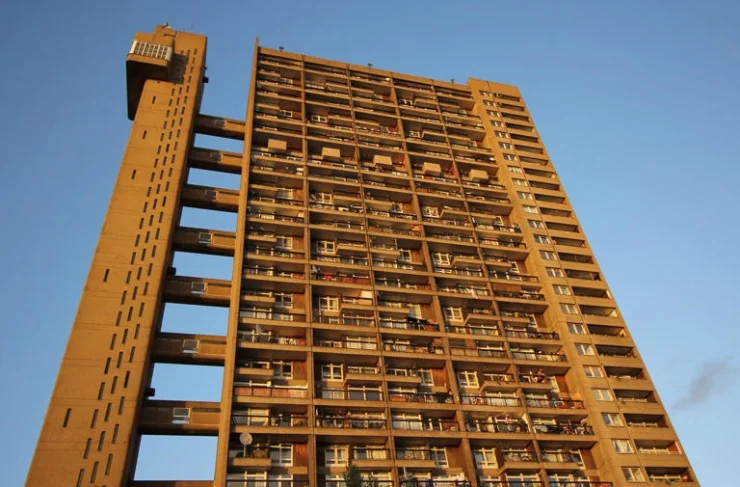
Seventy years later, many would disagree. High-rise blocks are regularly denounced as ugly concrete monoliths: repetitive, plain, inhuman, boring …
These so-called eyesores, however, were conceived as the polar opposite. The tall modern buildings were supposed to break up the repetitive, sooty dreariness of Victorian low-rise vistas and the swelling suburbs decried as “neither town nor country”.
And, whatever their critics may say, they have shaped modern Britain, from the five- or six-storey blocks hailed as high-rise in the 1930s to the postwar structures of more than 30 floors. Some are famous in their own right; others have played host to remarkable stories.