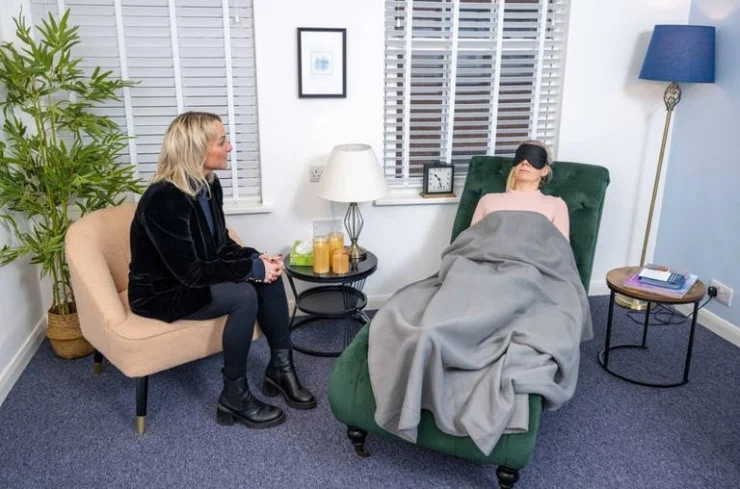
A London-based therapist is legally offering ketamine-assisted therapy costing up to £3,000 to help patients living with conditions such as depression, trauma, and PTSD. The treatment is provided by Lucy da Silva, 42, founder of the Silva Wellness clinic in Farringdon, central London.
At the clinic, patients are prescribed mint-flavoured ketamine lozenges, roughly the size of a Rennie tablet. Although ketamine is classified as a Class B drug, its use is legal when prescribed and administered under strict medical supervision. Following a psychiatric assessment, patients can access a treatment programme costing between £2,000 and £3,000, which includes the medication alongside six to eight weeks of therapeutic support.
Lucy describes the clinic as intentionally non-clinical. “Our clinic is like walking into a front room,” she said. “There’s nothing sterile about it. I wanted to create something that felt incredibly human and welcoming.”
A qualified psychotherapist, Lucy developed the clinic after her own recovery journey from alcohol and drug addiction. After attending rehab in 2014 at the age of 30, she later explored alternative healing approaches while living with complex PTSD. A documentary on Ayahuasca sparked her interest in psychedelic-assisted therapy, prompting further study. She completed a master’s degree in addiction psychology in 2019, followed by a six-month specialist programme in ketamine-assisted psychotherapy, before launching her clinic publicly in September 2024.
During early dosing sessions, patients typically feel deeply relaxed. They lie on floor-length beanbags, wrapped in weighted blankets, wearing eye masks and listening to carefully curated music. “We check in on how they’re feeling and what their intention is,” Lucy explained. “It’s very quiet, very safe.”
As dosages increase, patients often report a sense of detachment from their bodies, allowing them to experience calm and contentment. A therapy integration session usually follows within 24 to 48 hours. According to Lucy, ketamine temporarily increases neuroplasticity, making rigid thought patterns more flexible and allowing therapeutic work to be more effective than talk therapy alone.
Patients begin on 100mg lozenges, which dissolve under the tongue, though only around 15–20% of the dose is absorbed. Over time, this may increase to as much as 400mg. To prevent misuse, medication is stored in a secure box that can only be opened using a code held by therapists.
Since opening, the clinic has treated 10 patients, declining only one following psychiatric assessment. Conditions treated include treatment-resistant depression, PTSD, eating disorders, and substance dependency. Lucy emphasised strict safeguards, particularly following high-profile cases such as Matthew Perry’s death in 2023. “We do not treat anyone with an active addiction or without long-term sobriety,” she said.
While acknowledging a growing problem with illicit ketamine use in the UK, Lucy stressed the difference between prescribed, pharmaceutical-grade ketamine and street drugs. “What we use is pure, carefully measured, and created in a sterile pharmacy,” she said. “That distinction is vital.”